And the king took an oath and said, “As the Lord lives, who has redeemed my life from every distress, just as I swore to you by the Lord God of Israel, saying, ‘Assuredly Solomon your son shall be king after me, and he shall sit on my throne in my place,’ so I certainly will do this day.” 1 Kings 1:29-30
This verse introduces a solemn oath. David would confirm the previous promise he made to Bathsheba, that her son Solomon would become the next king, and he promised to settle the issue that very day. He would abdicate the throne and give the crown to Solomon and crushed the plans of his other son.
David shows us he made the promise before God and he would keep his promise.
 This verse calls to mind that when we make a promise, we must keep it. It doesn’t matter if it’s a small promise to go to lunch with a friend or if you’ve promised to take care of a task for a sibling or parent or if you have pledged a possession. It doesn’t matter. When a person breaks a promise, it’s hard to trust that person again.
 And it’s especially hard when we give promises to our small children and break them. Children depend on their parents and guardians to tell the truth and not break a promise, no matter how insignificant that promise may be. Our children are our greatest resource. We must treat them with kindness and care where our promises are concerned.
 David was the King, a leader. It calls to mind our leaders today. They rarely keep their promises and wonder why their constituents don’t trust them. In today’s world, it’s all right to break a promise if it furthers that leader’s career goals.
 Same in the business world. If you promise your client you will call him on a specific date.. Call. Keep your promise.
Have you ever made a promise you reneged on? I have and this verse convicted my heart. The easiest thing to do is to NOT promise unless you are certain you can keep the promise. So the wisest thing to do is say, upfront, what the expectations are.
Many business people use the vernacular: Under-promise and over-deliver. A great way to do business. I wish everyone lived by that philosophy, don’t you?
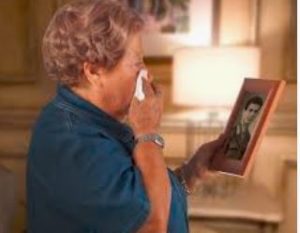 The context of this verse is that King Saul of Israel and his son Jonathan died in battle with the Philistines. David, who would be the next King of Israel, and his men are those who are mourning, fasting and weeping for the two men.
 It seems fitting that we talk about men and women lost in battle. Any family who loses a loved one in war is a tragedy. But a family who loses all of their children at one time is unthinkable. That’s just what happened to the Sullivan family during World War II.
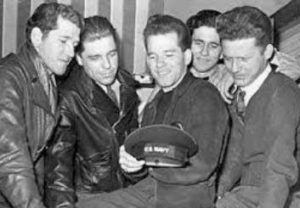 Parents who lose a baby or a child are overwrought with the pain of loss but to lose five sons in one fell swoop, I can’t even imagine the pain of suffering that family endured. Some may say, it was a long time ago or time has a way of healing. That may be true to some extent but a parent who loses a child whether that child is a baby, child or an adult, can’t ever be consoled and time doesn’t heal. It only covers the grief until the anniversary of their child’s birth or death.
 May we all have an extra measure of compassion for those parents who have lost a child.